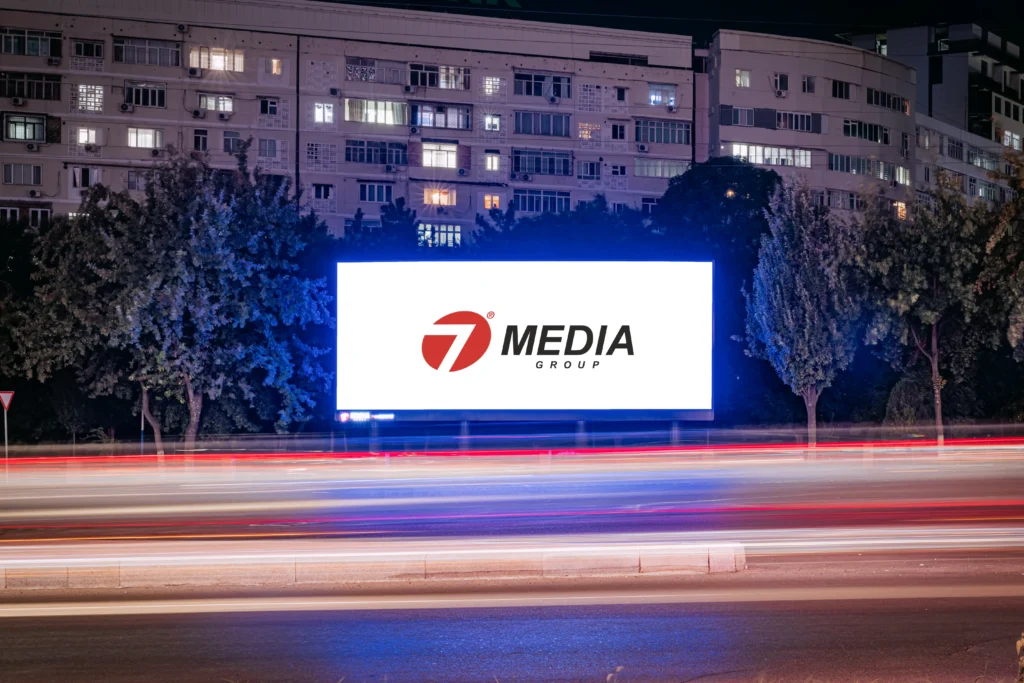
Outdoor advertising is no longer just a bright image on a billboard. Today, digital outdoor advertising allows flexible scheduling, audience-based content adaptation, and quick response to changes in the urban environment. However, even the most creative design will not deliver results if the placement location is chosen incorrectly. That is why choosing the right advertising location is one of the key planning stages.
Different city districts create different user experiences. In one place a person may notice an ad briefly, while in another they may focus on it and remember the message. This directly affects how effectively a campaign reaches its target audience. Proper location analysis helps increase both reach and contact frequency.
Outdoor advertising placement and factors affecting performance
Planning requires considering not only the structure itself but also the surrounding environment. Outdoor advertising placement depends on several parameters that directly affect performance. Advertising location should provide good visibility, match traffic direction and fit the characteristics of the area.
Before choosing a placement point, consider:
- Visibility from different angles without obstacles.
- Traffic and pedestrian movement direction.
- Traffic density and potential number of contacts.
- Business or residential characteristics of the district.
- Lighting conditions and competing media nearby.
Each factor shapes the overall perception. In business districts ads often perform better due to high audience concentration, while residential areas require attention to time of day and habits. The right combination improves efficiency and optimizes budget.
Traffic flow and pedestrian activity as the basis of reach
Traffic flow is one of the main indicators affecting the number of contacts. The higher the traffic intensity, the more people see the message. At the same time, pedestrian traffic often provides higher-quality contact than vehicle flow.
When evaluating a location, consider:
- Average daily traffic and time distribution.
- Pedestrian routes and crossing points.
- Probability of repeated contact.
- Stops and waiting areas increasing viewing time.
- Ratio of random and target audience.
These metrics help estimate advertising reach and predict results. In pedestrian zones memorability increases, while in car traffic messages must be short and clear.
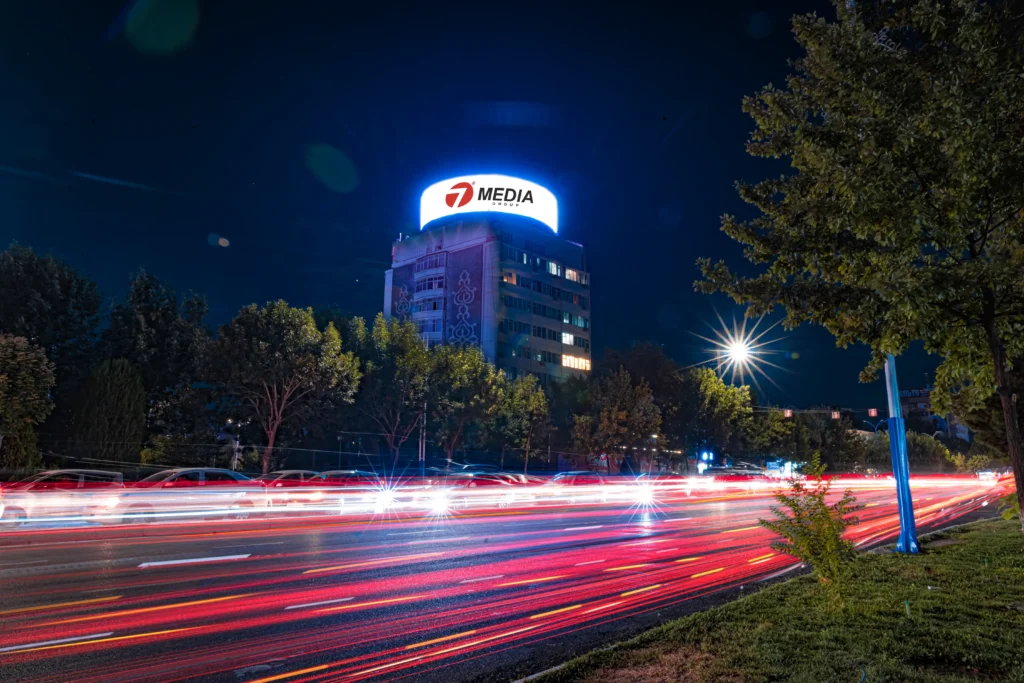
LED screen advertising and urban location selection
Advertising on LED screens requires careful placement. LED displays allow dynamic content and stand out among static media, but without the right location even the best video loses effectiveness.
In Tashkent, LED screens are usually installed in high-visibility zones such as intersections, shopping streets and business centers. The screen should not be blocked and must be positioned at a comfortable viewing height. Viewing angle also matters.
Proper setup enhances brand perception and creates strong memorability, especially in competitive environments.
Advertising screens for business and the impact of placement
The same campaign may produce different results depending on location. Advertising screens work best where audience interests match the environment. Therefore placement is a strategic decision.
High reach alone does not guarantee success. If the message appears in the wrong context, the effect may be weak. Analysis, metrics and testing help find the best option.
If you need to select suitable LED screens in Tashkent, such services are available at 7Media.
You can choose the location of the LED screen for outdoor advertising in our catalogue.
You can also calculate the cost of your chosen screen on the website.